

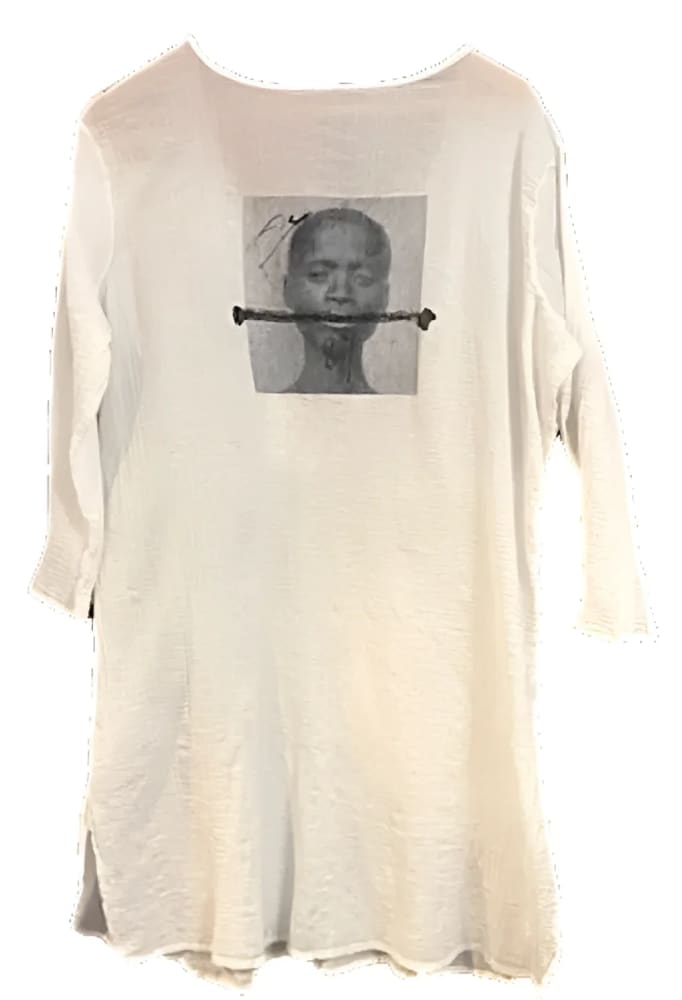
The Art of Upcycling: Transforming Old Clothes into Wearable Art
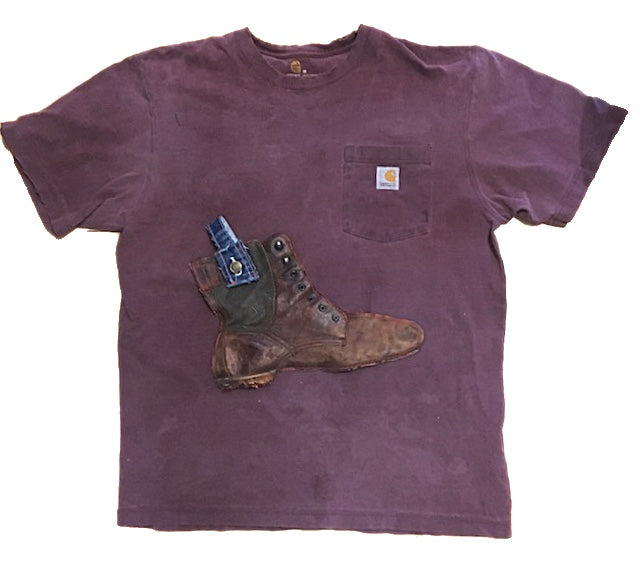
What Is Upcycling Clothes and Why Is It Important for Sustainable Fashion?
Upcycling clothes means creatively repurposing existing garments into items of equal or greater value, reducing demand for virgin textiles and slowing material throughput in the fashion system. The mechanism is straightforward: by repairing, redesigning, or combining pieces, you extend garment life and avoid the energy, water, and chemical inputs required for new production, producing practical environmental benefits. Important outcomes include lower textile waste, fewer greenhouse gas emissions from manufacturing, and a cultural shift toward slower, more intentional consumption that supports sustainable style. Understanding these basics prepares you to choose projects that maximize impact and aesthetic value. The next section compares upcycling with recycling and buying new, using concrete benefit attributes to clarify trade-offs for makers and consumers.
Upcycling, recycling, and buying new deliver different sustainability and cost profiles, and the table below summarizes key attributes to help makers decide which approach fits a given garment or goal.
| Approach | Environmental Impact | Cost & Accessibility |
|---|---|---|
| Upcycling (repair/reconstruction) | High waste diversion, low new resource use | Low materials cost; time and skill invested |
| Recycling (fiber reprocessing) | Moderate diversion but energy-intensive | Often higher processing cost and limited availability |
| Buying New (sustainable/newly made) | Varies widely; can be high resource use | Higher purchase cost; faster access to trends |
This comparison shows that upcycling often offers the most direct immediate reduction in environmental footprint per garment while delivering unique style and affordability. The next section explains how upcycling specifically reduces textile waste and environmental impact.
How Does Upcycling Reduce Textile Waste and Environmental Impact?
Upcycling reduces textile waste primarily by extending garment lifespan and diverting usable textiles from landfill or incineration, thereby lowering lifetime environmental costs. When a garment is repaired, redesigned, or repurposed, its embodied water, energy, and material inputs are preserved rather than replaced, which is especially impactful for resource-intensive textiles like denim. Recent research and market trends through 2023–2024 show significant potential: incremental reuse at scale reduces the need for new fiber production and the associated chemical and carbon footprints. Practical examples include converting faded jeans into patchwork outerwear or turning knits into layered accessories, both of which postpone textile disposal and reduce production demand. Understanding these mechanisms motivates choosing projects that maximize material retention and minimize new inputs.
What Are the Benefits of Transforming Old Clothes into Wearable Art?
Transforming old clothes into wearable art delivers multiple benefits beyond environmental savings: it fosters creativity, reduces personal spending on new garments, and produces unique pieces with strong resale or sentimental value. Creatively, makers can explore fabric combinations, visible mending, and surface decoration to express individual style and turn ordinary items into conversation pieces. Economically, upcycling often costs less than buying comparable artisanal pieces while enabling slow-fashion practices that prioritize quality and longevity. Socially and psychologically, crafting wearable art and promotes mindful consumption.
The Palm Springs Upcycling Community
Palm Springs has embraced sustainable fashion as part of its creative desert culture. The local vintage and upcycling scene offers:
- Artisan markets featuring local upcycled designers
- Vintage shops with curating eyes for transformation potential
- Art galleries showcasing wearable art and textile crafts
- Sustainable fashion events celebrating eco-conscious style
At Re-psychles Vintage Shop & Art Gallery, we celebrate the intersection of vintage preservation and creative transformation. Our collection includes both authentic vintage pieces and h.m. Peavy's upcycled designs—offering options for every sustainable fashion enthusiast.
Caring for Your Upcycled Wardrobe
Upcycled pieces deserve special care to preserve their craftsmanship:
Washing and Maintenance
- Hand-wash delicate pieces with added embellishments
- Use cold water to prevent fabric degradation
- Air dry whenever possible to maintain shape and integrity
- Spot clean embroidered or painted areas
- Store flat or on padded hangers to prevent stretching