


History of Branch Pencils: The Art of Making Twig Pencils
History of Branch Pencils: The Art of Making Twig Pencils
Twig Pencils traces its craft to simple DIY roots, drilling a 3/32-inch hole into a sustainably sourced apple branch, inserting 2mm 2B graphite lead, and sealing with glue. Each handmade pencil is finished in the USA, turning rustic wood into a one-of-a-kind writing tool and gift.
History of Branch Pencils reaches back centuries, yet the modern DIY revival makes this Handmade Wooden Pencil Craft accessible to anyone with adult supervision. Twig pencil craftsmanship traces to artisans transforming sustainably sourced Winesap apple tree branches into functional writing tools. This modern American craft blends traditional woodworking techniques with rustic design, producing one-of-a-kind pencils rather than uniform, factory-milled writing instruments.
The Art of Making Twig Pencils
The Art of Making Twig Pencils transforms a simple branch into a functional writing tool through a series of hands-on steps, from selecting and preparing the wood to letting the finished pencil dry completely. This Handmade Wooden Pencil Craft requires a pocketknife, pruning clippers, a drill with a 3/32-inch bit, a clamp, a scratch awl, white glue, and 2mm-diameter drafting lead in 2B grade. The History of Branch Pencils shows this practice has deep roots. The modern DIY version makes the craft approachable for beginners.
The handmade wooden pencil craft follows a precise process. Artisans select a branch with interesting color, texture, or a forked shape, but the length must be straight. Hold the twig as you would a pencil to test its balance and grip. A forked end adds character, but keep the writing section straight for a comfortable grip.
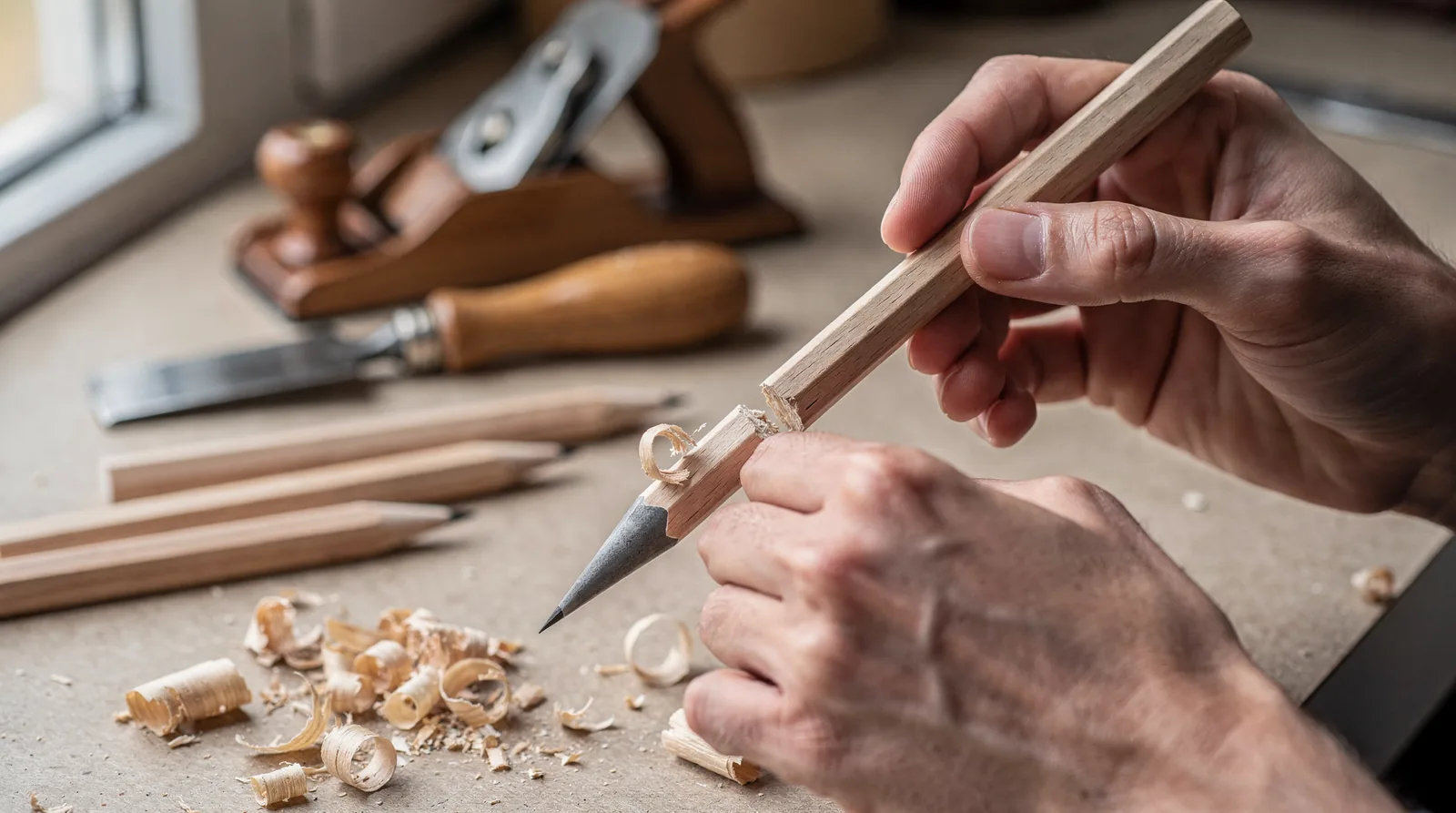
Handmade Wooden Pencil Craft: Step-by-Step Process
The Art of Making Twig Pencils starts with choosing a suitable piece of wood. The branch's shape and texture will define the finished pencil's character. Next, use the scratch awl or nail to create a starter indentation at the top center of the twig's writing end. This guides the drill bit and prevents slipping. Apply a small amount of white glue into the drilled hole, then gently push the 2B drafting lead into place. Once the glue dries, the twig pencil is ready for its first sharpening. Use the pocketknife to carve the wood away from the lead, exposing about a quarter inch of the graphite.
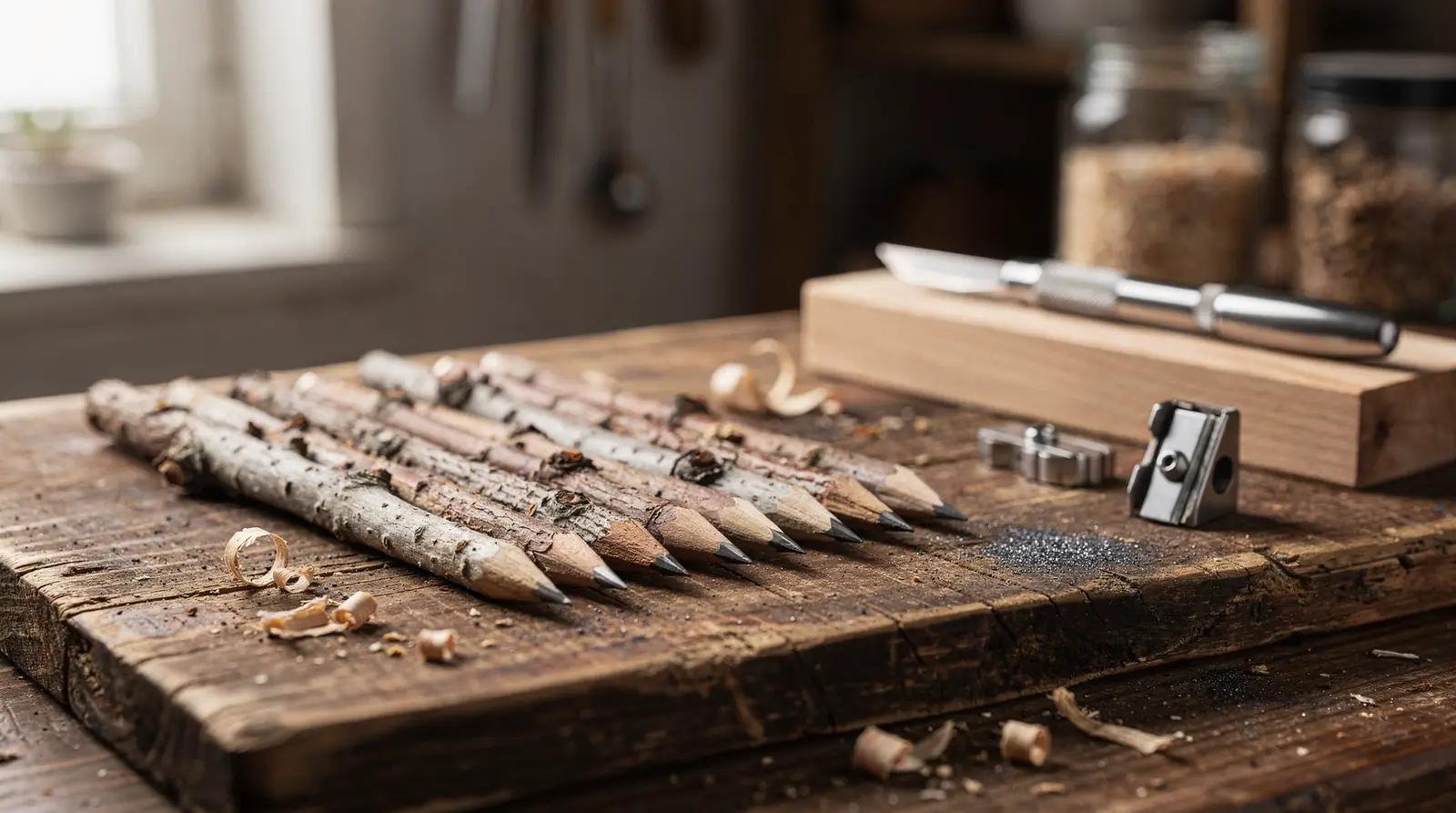
History of Branch Pencils and Modern Craft
The History of Branch Pencils reveals a practice with deep roots in woodworking traditions. Modern tutorials generally emphasize adult permission or supervision for younger crafters, especially when using the knife and drill. The 2mm drafting lead is commonly used in crafting. Check local art or office supply stores for options in the 2B grade for a darker, softer line.
The handmade wooden pencil craft produces finished twig pencils that make thoughtful, eco-friendly gifts for artists, writers, teachers, and nature lovers. Each one carries the natural variations of the wood it came from. Customers can choose from a variety of options; contact the brand for details on available sets and packaging.
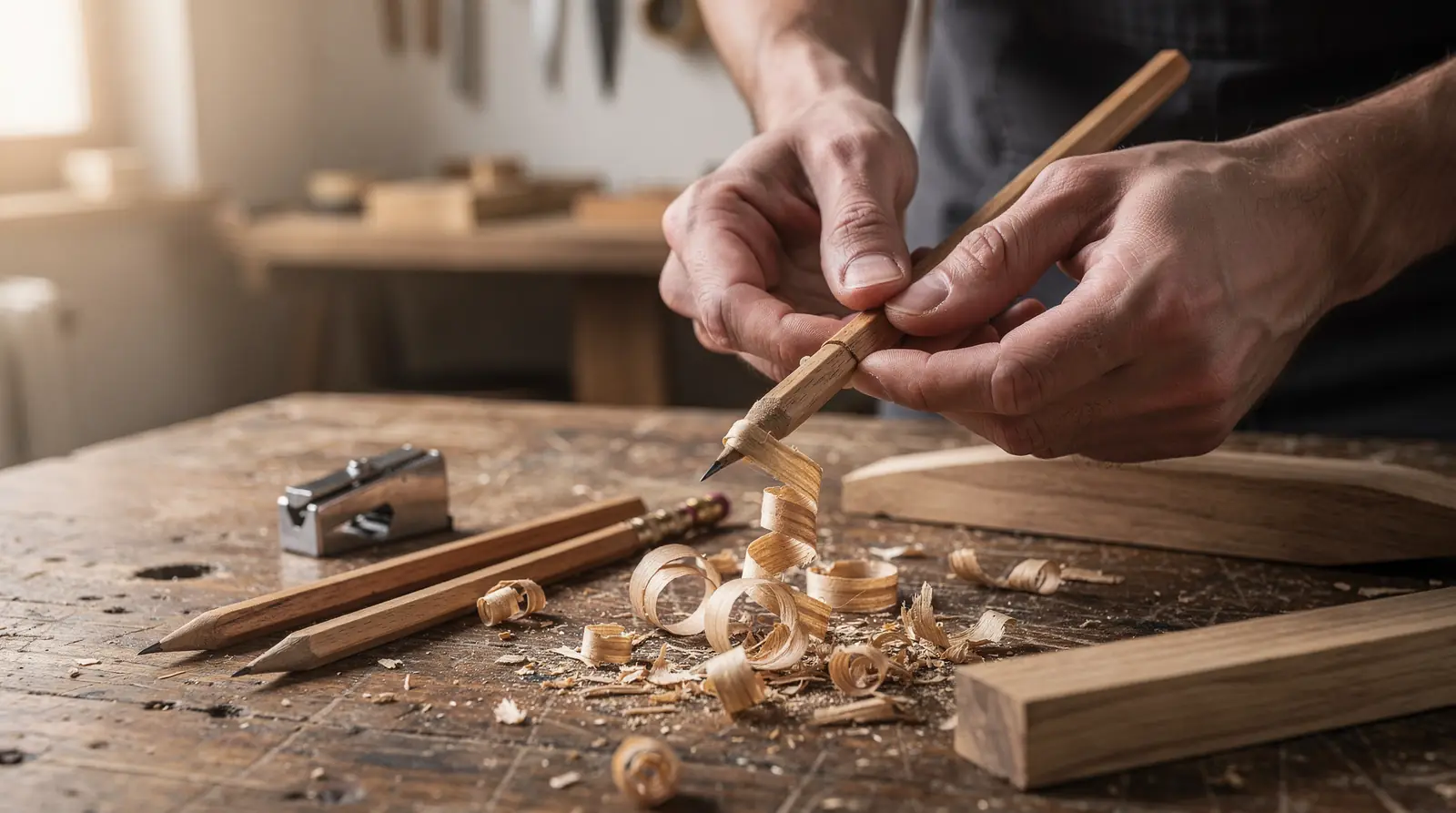
Why Choose Handmade Wooden Pencil Craft
The Art of Making Twig Pencils turns a humble material into a personal, gift-ready object. Peavy creates these rustic pencils from Winesap apple tree branches. Each apple wood pencil has its own natural shape and texture. Choose a No. 2 graphite pencil for writing and sketching, an individual colored pencil, or a multi-pencil set. Gift-ready options include a colorful set in a classic tin and a graphite pencil in a protective case.
Made in the USA, these rustic pencils make thoughtful gifts for artists, writers, teachers, and nature lovers. The History of Branch Pencils shows how a craft with generations-old woodworking roots continues to evolve, giving each branch new purpose as a functional writing tool.
The Art of Making Twig Pencils centers on handcrafting each writing instrument from sustainably sourced apple wood branches. The History of Branch Pencils shows this practice has deep roots in American woodworking tradition.
Conclusion
In closing, the craft of making branch and twig pencils represents a beautiful convergence of artistry, sustainability, and tradition. Each handmade pencil tells the story of thoughtful sourcing and skilled craftsmanship, transforming natural materials into functional works of art. This timeless practice honors both the natural world and the human hands that shape it, reminding us that the most meaningful tools often emerge from a deep respect for materials and the environment.